

PRESIDENT Dwarf European Plum Tree (Krysmk 1)
Shipping calculated at checkout
27 in stock
Need more? Contact us
This tree needs pollination
Compatible trees:
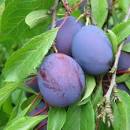
Italian semi-dwarf plum tree
Italian semi-dwarf plum tree
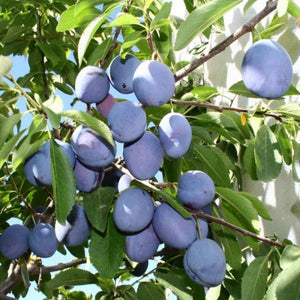
MONT ROYAL plum SEMI-DWARF (Marianna 26-24)
MONT ROYAL plum SEMI-DWARF (Marianna 26-24)
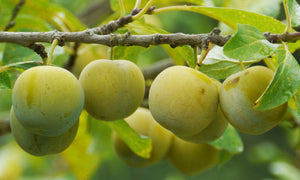
Plum tree GREEN GAGE semi-dwarf (Marianna 26-24)
Plum tree GREEN GAGE semi-dwarf (Marianna 26-24)
🍑 President European Plum Tree (Prunus domestica 'President')
🌸 Origin and type
-
Species: Prunus domestica
-
Origin: England
-
Breeder: Thomas Rivers
-
Introduced: Around 1894
-
Type: Late European plum tree
-
Uses: Fresh eating and processing
🌳 Tree characteristics
-
Habit: Upright, becoming spreading with age
-
Mature height: About 4 to 5 m
-
Spread: About 3 to 4 m
-
Hardiness: Generally listed as zone 5; use caution in zone 4
-
Exposure: Full sun, sheltered location
-
Soil: Deep, fertile, moist and well drained
-
Growth: Moderate to vigorous
-
Time to bearing: Relatively quick
-
Productivity: Good to high
🍑 Fruit
-
Shape: Oval, elongated
-
Size: Large to very large
-
Weight: About 40 to 60 g, depending on growing conditions
-
Skin: Dark blue to purple, covered with a waxy bloom
-
Flesh: Golden yellow to yellow-orange
-
Texture: Firm, fairly dense and juicy
-
Flavour: Sweet, slightly tart and aromatic
-
Stone: Generally semi-clingstone to clingstone
-
Harvest: Mid-September to early October, depending on the region
-
Uses: Fresh eating, pies, jams, compotes and preserves
-
Storage: Good; several weeks in cold storage under good conditions
🌼 Flowering and pollination
-
Flowering: Mid-season to late
-
Flower colour: White
-
Self-fertile: Generally considered self-sterile or partially self-fertile, depending on the reference
-
Pollination: Another compatible European plum tree is recommended.
Recommended pollinizers:
-
Stanley
-
Reine-Claude
-
Italian
-
Empress
-
Mont-Royal
-
German
Overlapping flowering periods are essential for good fruiting.
🛠️ Growing and care
-
Planting: Spring or fall, outside periods of frost.
-
Watering: Regular during the first few years and dry spells.
-
Pruning: Light summer pruning after harvest to open up the canopy.
-
Thinning: Recommended when crops are heavy.
-
Fertilizing: Mature compost in spring, according to soil needs.
-
Drainage: Important to prevent root diseases.
-
Winter protection: Recommended for young trees in cold regions.
🦠 Diseases and resistance
-
Black knot: Noteworthy resistance reported in some references.
-
Brown rot: Possible susceptibility, especially in wet conditions.
-
Fruit rot: Monitor damaged or crowded fruit.
-
Bacterial canker: Can affect trees under unfavourable conditions.
🍽️ Uses
-
Fresh eating.
-
Pies and pastries.
-
Jams and jellies.
-
Compotes and preserves.
-
Freezing.
-
Culinary processing.
💡 Highlights
✅ Very large, attractive fruit.
✅ Firm flesh and good eating quality.
✅ Late harvest extends the plum season.
✅ Good culinary versatility.
✅ Good storage life.
✅ Good production when pollination is assured.
⚠️ Points to consider
-
Consider winter hardiness carefully in colder parts of Quebec.
-
Requires a sunny, protected location.
-
Cross-pollination is recommended.
-
Late harvest may be affected by early frosts.
-
Thinning is sometimes necessary to maintain fruit size.

